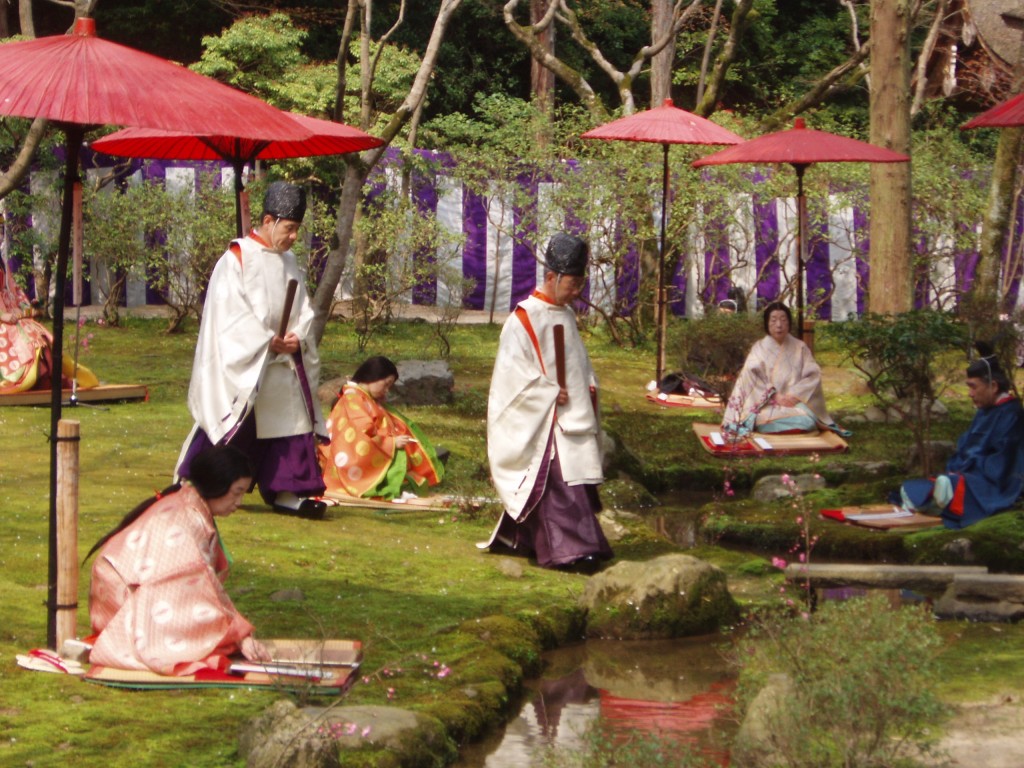
A culture's world view can be shaped due to so many components such as religion, philosophy, history, war, laws, geological aspects, technology, media and so much more. Japan does not have a single monolithic worldworld. It is a blend of religious and cultural traditions that have shaped the way Japanese people understand life, death, society, morals and the self. Japan is generally described as a collectivist culture where people are viewed as one collective unit. They view all members of society as holding collective responsibility instead of individuals acting for themselves only. One's actions and behaviors within this culture can reflect upon the entire society. Japanese culture also views harmony or “wa” as an important view. Harmony within this culture puts emphasis on their view of having a collectivist culture. It signifies a sense of unity within a group and prioritizes the maintenance of relationships. Japan has a very uncertainty avoidant culture. This means that the people of this culture are most comfortable with consistency and predictability as well as having rules and social norms in place. This view can be attributed to geological features such as the large threat to natural disasters that Japan faces (tsunamis and earthquakes). Japan has a very syncretistic culture meaning their worldview is made up of a blend of different cultures, religions, beliefs and philosophies.
Another way to describe Japan's worldview is through the lens of religion. The two main religions that make up Japan are Shintoism and Buddhism. Shinto is Japan's native belief system and is as old as Japanese culture itself. This religion does not have a founder or sacred scriptures like the Bible. Shinto means, “the way of the gods”. Shinto has a set of practices and beliefs that revolve around a community living in harmony with nature and divine spirits or gods known as “Kami”. This religion teaches that the world is filled with spirits (Kami) that inhibit parts of nature such as old trees, rain, wind, mountains, waterfalls, animals and even fertility. They view people as being in harmony with nature, not above it. In this religion it is said that humans become spirits after they die and stay associated with their ancestry. In Shinto there are no absolute rights or wrongs and no one is viewed as being perfect. Shinto is an optimistic faith in which life, fertility, harmony, and prosperity is celebrated. Today people follow shintoism by praying at home or by visiting shrines. It is a way of life in which harmony is deeply celebrated.  |
| A shinto Shrine |
Another main religion in Japanese culture is Buddhism. Buddhism was introduced during the 6th century by China and Korea. Despite conflicts at first Shinto was not abandoned and soon these two religions were able to co-exist and Buddhism even adopted some aspects of Shinto. Today around two thirds of the Japanese population follows Buddhism. Buddhism emphasizes teachings of impermanence, suffering, enlightenment, compassion and mindfulness. Buddhism and Shintoism complement each other well and both emphasize the importance of harmony, respect and one's ancestry.  |
| Buddhism in Japan |
These religions and other worldviews are typically shared by most members of this culture as they are a collectivist culture. Japan is a country with strong social cohesiveness that values order and respect. Although the people of Japan typically share similar values and worldviews, religious tolerance is very accepted in Japan. Pluralism is a norm in Japan as many people follow traditions from Buddhism, Shinto, Christianity and a blend of these religions. Religion in Japan is more of a culture and a way of life for them rather than a strict and rigid set of beliefs. This allows for them to be accepting and respectful of many different belief systems. There does not seem to be conflict between people in this country over different cultures and religious beliefs. I believe it is expected that everyone follows values of deep respect and harmony for one another within Japanese culture.


Comments
Post a Comment