Family Structure in Japan
Family is a very important aspect of Japanese culture. Japanese families have deep respect for their family and strong ties that unite them. Japanese families typically have multigeneral households and a patriarchal structure. This sort of family system is known as the, “ie” structure. The household is usually headed by a male, the father or oldest son of the family. This person holds most authority over the family. The next male in line (the eldest son) is expected to carry on these responsibilities.

We see very traditional mom/dad families in Japan as same sex marriage is not legal there. While modern nuclear families typically only have one small family living together, in Japanese culture multiple generations of that family often live together under one roof. This creates a great sense of continuity between families. This also helps to teach young children the importance of respect toward elders. It is typical that women of a household stay home to raise the children, take care of the elderly, and other domestic labour. Mothers tend to commit a lot of time toward their children's education and studying. These traditions can vary, but Japanese families do often have expectations of gender norms. Traditionally, marriage comes before childbearing in Japanese families. In modern days, Japan has an aging population due to low fertility rates and a very high life expectancy. Over 40% of households in Japan have someone 65 years or older living there. Japan currently has one of the lowest fertility rates in the world and many Japanese people are not marrying until their 30s.
These family structures and traditions can be similar and different from other cultures around the world. In the United States it can be more typical to have a mom/dad family with the father being the head of the household, but traditions have changed over time. It is also not as common for households in the United States to be multigenerational. Part of Japanese culture stems from Confucian ideals that teach people to have deep respect for older generations. From a very young age children are told to respect and take care of their elders. Older people are seen as carrying lots of wisdom. Family influence, school, peer groups and extracurricular activities are all ways that children in Japan develop social skills.
 |
| Multi-generational household in Japan |
Globalization and western influence has had a great impact on family structures in Japan in modern times. Although many traditions of the “ie” family system are still relevant today there have been shifts. It is more common now that women in Japanese families focus on their careers while men take on household duties . Women currently represent 44% of Japan's labour force. This shows that in recent times gender norms have changed and households have become less male dominated. The country's rapidly aging population and low fertility rates have also impacted gender norms in Japan.
Even through changing times and norms, Japanese families remain strong and respectful of traditions.
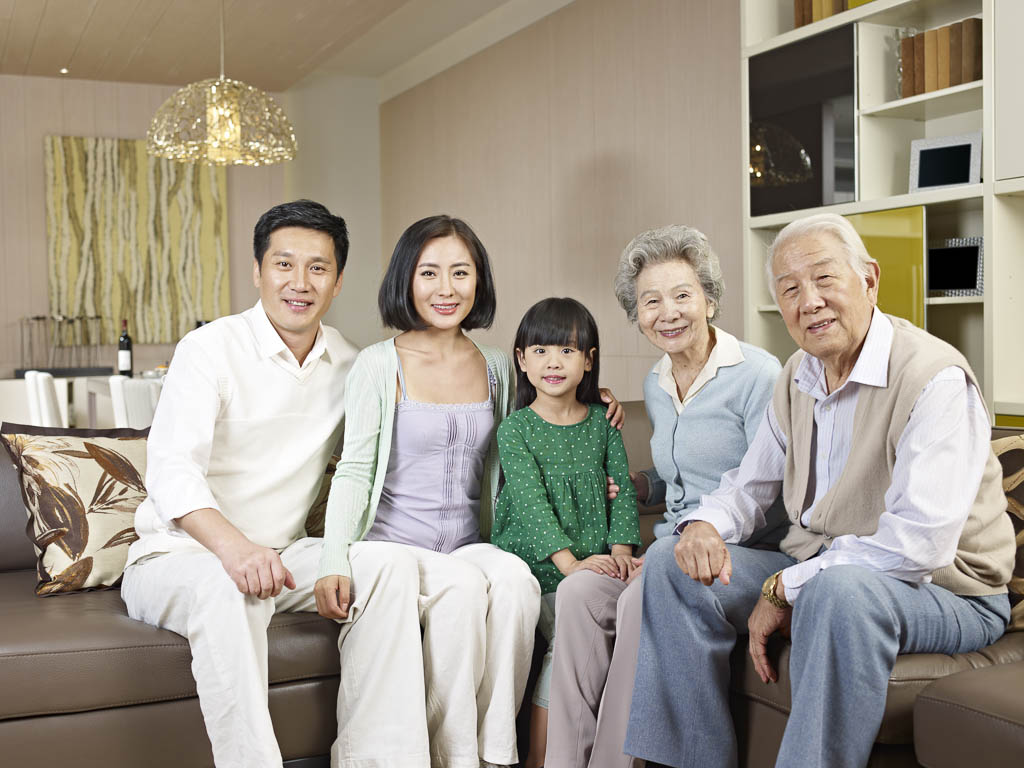 |
| Modern Japanese Family |


Comments
Post a Comment