Specific Culture to Study
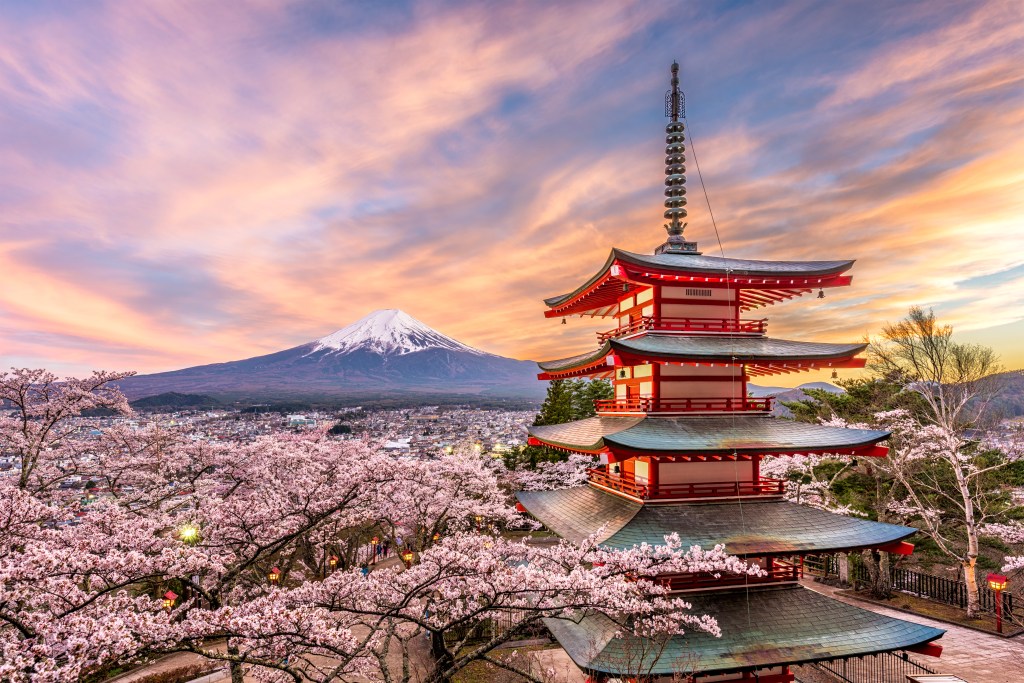
Japan is a country that has a vibrant culture and vast history. Ancient traditions meet modern innovations there. Japan is a country that I have always dreamed of visiting! The architecture, rich cultural heritage, nature, technological advancements and the cuisine are all major reasons why I chose to study this culture. Taking a deep dive on the culture of Japan will benefit me in many ways. It is going to introduce me to a whole new culture and country that I am completely unfamiliar with. It will allow me to have a better understanding of their lifestyle, norms, morals, traditions, holidays and so much more. If I were to visit Japan one day, this project would help me to better understand this culture and interact with the people from here. As a whole I believe this deep dive experience will give me more insight to not only Japanese culture, but also cultures across the world.
Japan can be described as a conformist society where harmony and respect are greatly valued. Japan has two main religions that have deeply influenced the culture there, Shinto and Buddhism. There are many traditions and rules of etiquette that are unique to Japan. Some of those norms consist of taking off shoes when entering someone's home, bowing to show respect, wearing a mask when sick, and washing one's hands when entering a shrine. Cleanliness is a very big part of Japanese culture and they highly value hygiene. There are very important holidays, ceremonies and celebrations such as a Tea Ceremony where skilled Tea masters prepare matcha in a presentational ceremony. Other important celebrations include the start of cherry blossom season and New Years day. Cuisine is another very important aspect of Japanese culture. Fresh sushi is one of the most popular foods throughout Japan and it has been popular since the 1800s. A traditional breakfast in Japan looks very different from what we are used to in the United States. Breakfast in Japan typically consists of rice, some sort of grilled fish, pickled vegetables and miso soup.


Comments
Post a Comment