Healthcare Contexts in Japanese Culture
Traditional and Modern Medicine
In Japanese culture they have a blend of a holistic and preventative view while also incorporating modern western medicine. From the western medicine side, the healthcare system that Japan uses is the Statutory Health Insurance System (SHIS). This system consists of the government paying 70% of the cost of healthcare procedures and up to 90% of the cost for low income and elderly people. This means Japan has a hybrid system that combines private insurance and government funded programs. SHIS covers hospital visits, mental health care, dental care, hospice, prescription drugs and more. Western modern medicine is the main form of treatment used in Japan, but it highly coexists with traditional Asian medicine . Japan also uses Kampo medicine. This is a traditional Japanese herbal medicine that uses natural ingredients and comes from a holistic approach. This medicine is used to heal a variety of medical conditions. Kampo is a legitimate medical practice prescribed by medical professionals . Another traditional Japanese practice involves healing at religious shrines. Japanese culture also places a strong emphasis on preventative care to try to decrease chances of illnesses becoming severe. Buddhism being so prominent in Japan places great influence on ideas of harmony and balance in healthcare. Japan operates as a collectivist culture and this shapes their healthcare beliefs. Japanese people often avoid causing inconveniences to others by wearing face masks and prioritizing cleanliness. Overall, Japan uses a mix of traditional practices and modern medical practices in order to honor Japanese heritage while still keeping the people of Japan healthy.
| Traditional Japanese Medicine |
Views on life and death
Rituals surrounding death in Japanese culture were created during the Edo period from 1603-1867 . These rituals have been greatly influenced by the teachings of Buddhism. In Japanese culture they value worshipping ancestral spaces in Buddhist temples . They view death as a natural transition in life and that the spirit continues with rebirth. Japanese families place a very strong emphasis on honoring and respecting their ancestors. Japanese culture believes in “kami” which are ancestral spirits that become forces of nature. Japanese people place lots of respect on elders and ancestors. They do not view death as the end, they view more as a cycle or a transition.
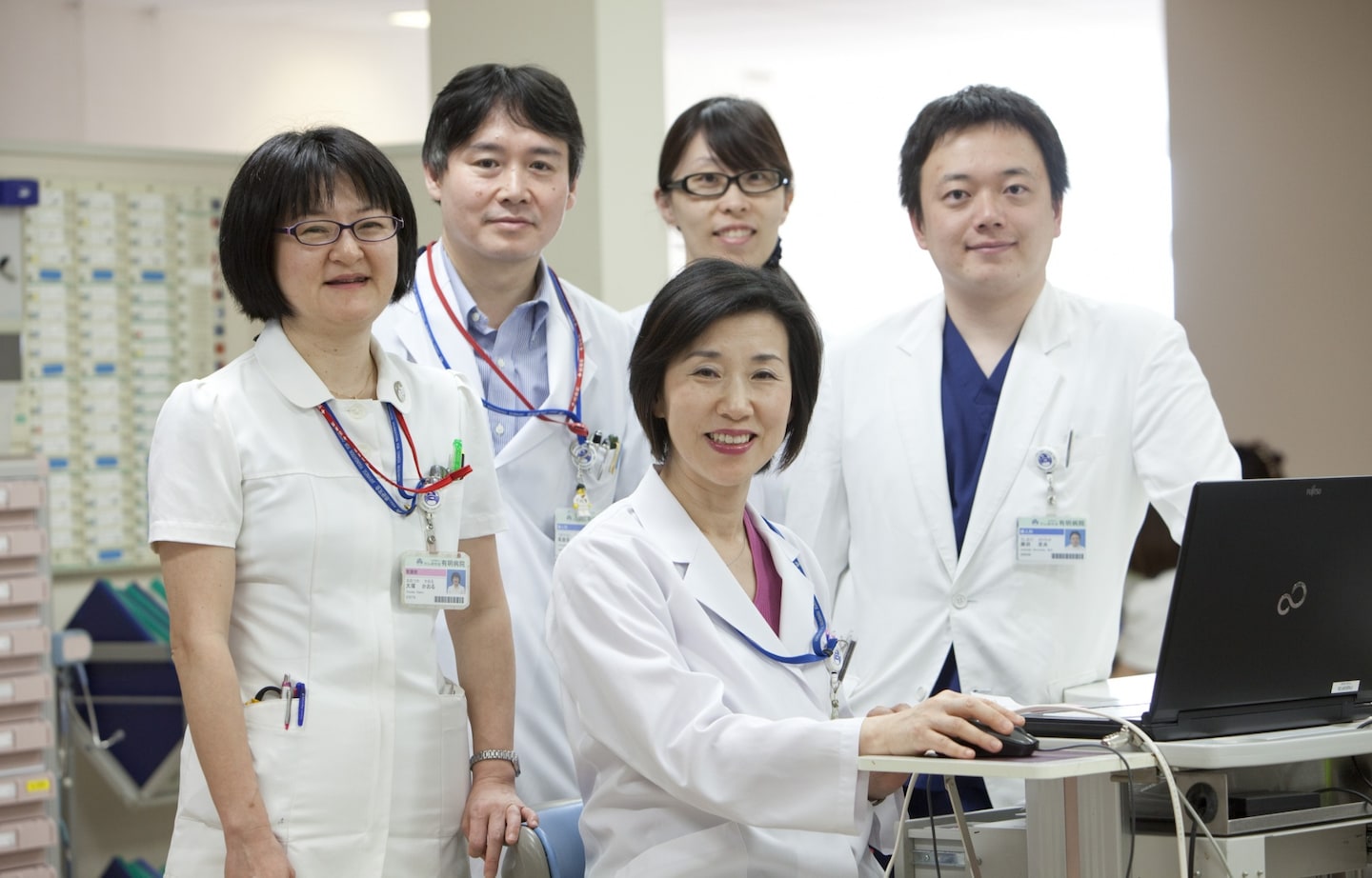 |
| Modern Healthcare In Japan |
If I was giving advice to a friend that has been offered the chance to work in healthcare in Japan I would first start by explaining the great respect that is placed on elders and ancestors in Japanese culture. This could help my friend in situations of death and grieving. Understanding how life, death and afterlife is viewed in Japanese culture would help to improve communication. To communicate more effectively with their coworkers, my friend should be somewhat familiar with nonverbal language in Japan. It would also be important for my friend to be familiar with the traditional medical practices and perspectives that are used in Japanese culture. They should be familiar with Kampo and the emphasis that is placed on holistic approaches.


Comments
Post a Comment