Traditional Japanese Cuisine
Cultural Significance of Food
Japanese cuisine is a huge part of Japanese culture and is one of the major reasons I chose to research Japan for this blog! Cuisine is one of the most powerful ways to express culture because it reflects a community's heritage, values, and environment. Food brings friends and families together and is a wonderful way to share a culture. Cuisine is culturally influential because it helps preserve cultural traditions. Traditional dishes are often passed down through generations. The way that people prepare, serve and eat food reflects a culture's values and customs. Food also brings different cultures together and strengthens cultural identity.
Japanese culture offers a large variety of cuisines that reflect Japan's heritage. Traditional cuisine in Japan reflects deep cultural values such as harmony and balance. “Washoku”, meaning harmony and food, is the traditional dietary culture of Japan. Washoku puts emphasis on using fresh seasonal ingredients and usually consists of rice, meat, fish and vegetables (japan taste). For over 2,000 years, rice has been one of the most important foods in Japanese cuisine and acts as the foundation for almost all traditional Japanese dishes. In Japan, rice is served with nearly every dish from breakfast to dinner. It is common that rice is mixed with egg and soy sauce for breakfast .
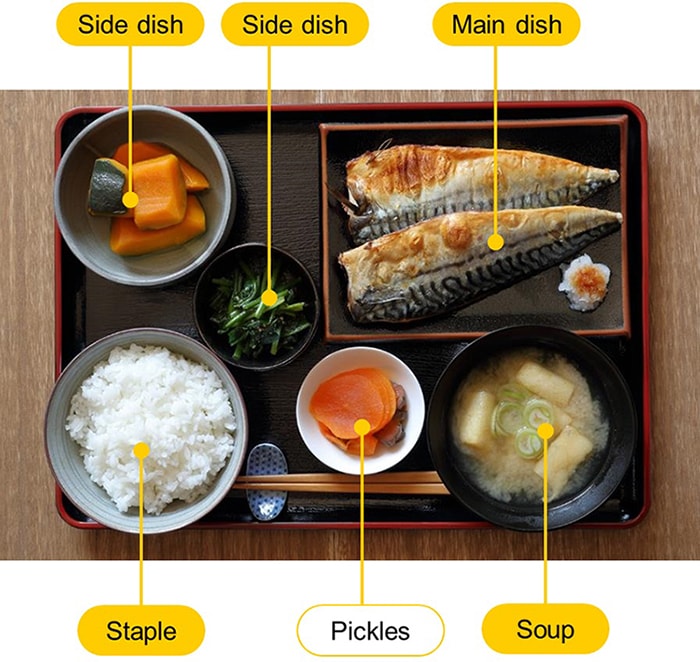 |
| Washoku |
Japan is a country surrounded by the sea allowing for fresh fish to be used in many dishes. Sushi is one of the most popular dishes inside and outside of Japan. There are many different types of sushi such as nigirizushi which is hand formed sushi, makizushi which is rolled sushi, and chirashi which is rice topped with raw fish. Sashimi is another dish consisting of high quality raw seafood and it is usually enjoyed with wasabi and soy sauce.
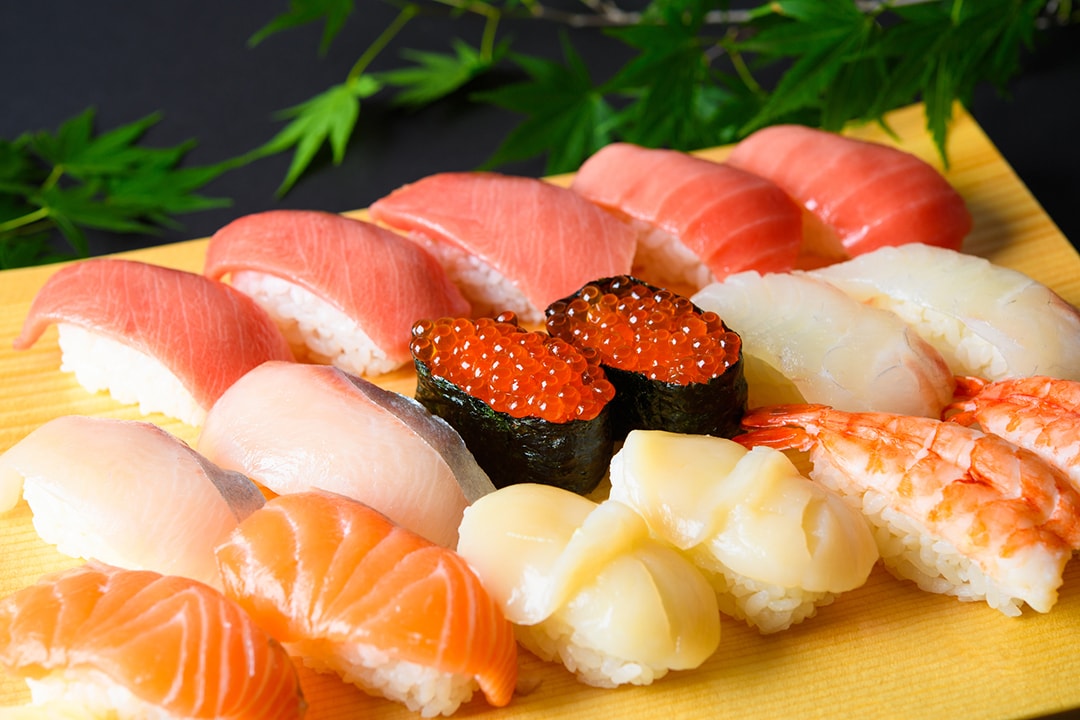 |
| Traditional Sushi |
Noodle dishes are also very popular in Japan and can be served both hot and cold. Udon noodles are one of my favorite Japanese cuisines because they are thick and chewy! Udon are thick noodles made out of wheat flour that can be served hot or cold and is typically topped with tempura shrimp (Japanese fried shrimp) and vegetables. Ramen is another very popular Japanese noodle soup dish that was actually introduced from China. Ramen has become very popular in the United States as well. Less traditional packaged ramen is sold in almost every grocery store in the United States. Packed ramen is also popular in Japanese and Korean convenience stores!
 |
| Traditional Udon with Tempura |
Japanese cuisine is a huge part of why so many people are interested in traveling to Japan, such as myself. I hope to visit Japan one day and try fresh, authentic sushi! Traditional cuisine helps to shape Japanese culture and reflects the values that they cherish so deeply. Being able to enjoy a different cultures cuisine is a privilege and a beautiful of experiencing traditions from a different culture!


Comments
Post a Comment